
MENU

Incorporating Sculpture in the Garden
Posted On : March 24th, 2026Stone, as a natural element, is ideal for incorporation as a garden sculpture. Stone sculptures and carvings will remain timeless for any outdoor landscaping or design project. Whether you are looking to add a focal point to your garden, create a unique entrance feature for your business, or enhance the natural beauty of a public space, stone sculptures can add a touch of elegance and sophistication to any outdoor environment.
At ConnectArt, we noticed a growing interest from our clients in their landscape. Statues have always been a classic element of the grand gardens of the classical world. Adding a sculpture to your outdoors is seen by many as a luxury. It’s a plus to consider after the landscape design is complete and the budget has been reconciled.
Things to Consider for Garden Sculpture
Choosing the Right Sculpture: A sculpture can enhance the overall look of your outdoor space and remain there for a long time. Don’t get caught up in trends; go for something you understand. A sculpture can be contemporary, realistic, traditional, or abstract. Above all, it should be something that offers you pleasure whenever you look at it.
Make Sure it works: The garden’s style influences which sculpture you choose. For a contemporary look, an abstract sculpture is perfect, but you can play more with a formal-style garden where both traditional and abstract sculptures look good. If you can get someone to do a mock-up so you can actually visualise a piece in your garden, so much the better.
Installing your Sculpture in the Garden: Larger pieces act as focal points, drawing the eye to an area. It is essential to consider the view in front, around and also at a distance, making them particularly useful as garden centrepieces. Choose something that evokes feelings, such as an abstract sculpture, to create a focal point that can be seen from all angles. Smaller sculptures aim to bring you closer to the garden. Placing small sculptures is a thoughtful gesture, as people encounter them while strolling through the garden.
Choose the Right Material: Sculptures come in various materials, including marble, stone, bronze, and resin, and all are well-suited for traditional or formal gardens in terms of colour and style. Carved wood also looks good, but is more difficult to appreciate in bad weather. Some metals, such as copper, are perfect, as they develop a wonderful verdigris effect with age, creating a look that works well in a wilder spot.
Size of Sculpture: The sculpture’s size can affect a garden’s overall look, making it feel smaller or larger. If you have a small garden, a big sculpture adds real drama to the setting.
Lighting: Last but not least, if you can light your sculpture, it will give your place a real wow factor both day and night, all year, bringing the garden into the house. There are several ways to do this, and one is to have a hidden spotlight focused on the piece so it is visible at night, but the eye can’t see how it is being lit.
Sculptures are the structure and interest of a garden. From this point of view, they’re highly functional. It is always a wow moment of interest and calm in an out-of-the-way space that doesn’t really have much going on.
Exploring Form and Texture in Metal Sculpture
Posted On : March 20th, 2026Art, with its rich history of expressions, has eternally mirrored humanity’s limitless creativity and imaginative spirit. In this artistic landscape, metal art sculptures emerge as luminous tributes to the seamless fusion of creative vision and skilled craftsmanship. These sculptures, forged from the essence of raw materials, transcend mere objects; they emerge as a profound declaration of artistry that traverses the bounds of time and space.
At its core, metal sculpture involves crafting three-dimensional shapes from metal. Unlike many art forms, it’s a fascinating dance between artistry and technical skills; artists must not only envision their pieces but also understand the properties of each metal they work with. Let’s explore a little bit about the history of metalworking in art, techniques, and the use of metal sculptures outdoors to understand why the art form remains a timeless and inspiring expression. ConnectArt is a remarkable destination for your best metal sculptures, offering a rich artistic experience that celebrates the beauty and versatility of this medium. The blog highlights some fascinating facts, followed by the unique offerings available at ConnectArt.
What are Metal Sculptures All About?
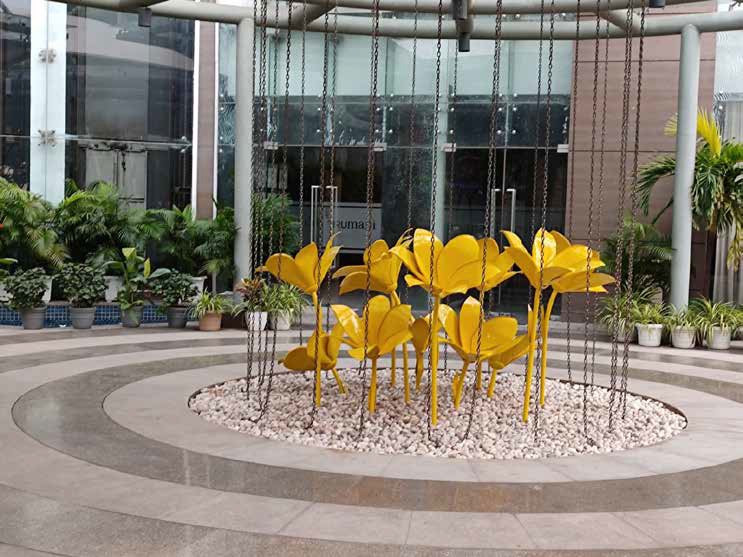
Metal sculptures have long been a captivating art form, enchanting artists and art lovers alike. Imagine grand statues towering over public squares, capturing imagination, or delicate, intricate modern metal sculptures that offer beauty and soul to personal collections. Metal sculptures blend creativity, craftsmanship, and material science in a way that few other art forms can. But what makes it so unique? Why has it held a place in human history for so long?
Why are Metal Sculptures Visually Appealing?
One of the most compelling aspects of metal sculpture is its enduring appeal. Unlike other materials that might deteriorate over time, metal has a resilience that enables it to withstand the ravages of time. Such durability, combined with the ability to create intricate and detailed designs, makes metal an ideal medium for artistic expression.
Metal sculptures possess a unique aesthetic quality. The interplay of light and shadow over the surface of metal objects can enhance the overall effect, making metal artifacts and sculptures particularly memorable. Moreover, metal sculptures often carry a sense of history and tradition. Whether they are ancient relics or modern creations inspired by historical forms, these objects connect us to the past and remind us of the enduring nature of human creativity. They are a testament to the skill and ingenuity of the artist who made them and continue to inspire awe and admiration.
The Significance of Metal Sculpture in the Contemporary Era
In the contemporary art world, metal artifacts and sculptures hold a special place. They represent a fusion of traditional craftsmanship and modern artistic expression, bridging the gap between the past and the present. Such works of art are celebrated for their technical excellence, aesthetic beauty, and the depth of meaning they convey.
Metal artifacts and sculptures play a significant role in cultural preservation. By creating works that draw on traditional techniques and motifs, artists help keep them alive and relevant. This is particularly important in a world where many traditional art forms are at risk of being lost due to changing cultural and economic conditions.
The Bottom Line
Art has played a significant role in India’s cultural history and remains an active, dynamic form of artistic expression there today. Metalworking has been ingrained in Indian culture, from the earliest Indus Valley Civilization to contemporary artists. The best part of metal sculpture is its versatility. Since most metals are durable, you can display a metal sculpture both indoors and outdoors, making it suitable for a wide range of settings, whether public or private. At ConnectArt, all our pieces are described to add gravitas to your space. Each one comes with a story, and it’s ready to tell it in your home.
Preserving Your Outdoor Sculpture
Posted On : March 13th, 2026Installing an outdoor sculpture might look fancy, but you must also consider the work that goes into it. Have you ever thought about how outdoor sculptures can transform your space into a stunning artistic retreat? Whether placed in an outdoor garden, patio or courtyard, outdoor sculptures add personality, elegance and artistic depth to private spaces. From classic sculptures that evoke timeless beauty to modern sculptures that create a contemporary edge, these pieces transform ordinary outdoor areas into stunning visual statements. However, outdoor sculptures are constantly exposed to the elements, which can cause damage over time. Understanding the challenges of conversation and applying the proper care technique could significantly extend their lifespan.
Why Preserving Your Sculptures Matters?
Enhancing Aesthetic Appeal
People invest in outdoor sculptures to create visually striking landscapes. Whether you go for abstract sculptures with unique artistic expression or geometric sculptures that add modern symmetry, these pieces act as focal points in your garden or patio. Without proper care, exposure to harsh weather conditions can dull the appearance, leading to cracks, discolouration, and surface erosion. Proper maintenance ensures these sculptures remain aesthetically pleasing.
Protecting Your Investment
High-quality sculptures could be a significant financial investment. Pieces made from materials like stone, bronze, and metal can be costly, and without proper conversation, they might deteriorate beyond repair. By implementing routine care and protective treatments, you can escape costly restorations and safeguard your artistic investments for decades.
Common Challenges: Outdoor Sculpture
Environmental Condition and Weathering
Rain and Moisture: Outdoor sculptures are exposed to weather fluctuations that could accelerate deterioration. Rain or moisture is one of the biggest threats to classic sculpture made of stone or concrete. Rain could cause erosion, leading to fading and weakening of the surface.
UV Damage: Modern sculptures made from painted metals or polymers may fade due to prolonged exposure to sunlight. UV rays break down pigments and coatings, leading to discolouration.
Temperature Fluctuation: In places with extreme weather, temperature fluctuations cause materials to expand and contract. The impact can cause cracking, particularly in organic wood sculptures.
Things to Consider
Regular maintenance does not require a significant time investment but is highly beneficial for outdoor sculpture. It consists of simple measures such as regular cleaning, which, if done annually, can mitigate the challenge of outdoor display and help to detect damage in its early stages. Whether your sculptures are made of stone, metal or resin, they need care to look their best. Keep your sculptures clean by regularly cleaning the areas around them with a garden hose.
When considering a suitable location on the property, be aware that the surrounding trees may fall in the event of a natural disaster. Also, sculpture should be placed away from pools, as chlorinated water can erode its surface. Apart from nature’s challenges, you also need to consider security.
Conclusion
Outdoor sculptures live in constant dialogue with nature, such as sunlight, rain, wind, and time itself. Preserving them is therefore not only about maintenance, but about respect for the material, the craftsmanship, and the story the artwork carries.
With regular cleaning, mindful placement, and periodic professional care, an outdoor sculpture can retain its strength and visual integrity for decades. These small acts and smart actions protect the texture, finish, and form that the artist originally envisioned. If you want to know more about outdoor experience, too, ConnectArt has got you covered. Explore our collection and bring art to life outdoors.
Everything You Need To Know About Outdoor Sculptures
Posted On : March 10th, 2026Sculptures enhance the value of outdoor spaces, such as offices or gardens. Outdoors are simply an extension of their living space, a place to recreate and add personality. One of the most impactful ways to enhance these outdoor spaces is through adding sculpture. Apart from decoration, sculptures can transform a space, making a statement, and adding layers of sophistication. In this blog, we’ll explore the role of sculpture in outdoor design, the different types of materials and styles available, and how to thoughtfully incorporate these works of art to elevate your outdoor spaces.
How Does Sculpture Add Value?
Sculpture brings artistic value to outdoor spaces by complementing the natural beauty of plants and landscaping. By offering visual contrast and designated points of focus, sculptures encourage engagement, stimulate conversation, and transform ordinary areas into memorable places.
Creating a Focal Point: Visual anchors help in adding a sense of order and purpose. A well-placed sculpture serves as a central feature, offering a focal point among the organic elements. It could be specifically useful in a larger space, where distinct areas might benefit from their own focal pieces to add harmony and cohesion.
Adding Structure and Geometry: Sculptures are key for introducing structure, offering geometry and form that contrast with the natural environment. Whether it’s a sleek, modern piece or a more classical design, sculpture can introduce an architectural form to soften or heighten the tension between nature and art.
Personal Expression: Sculptures are remarkable for personal expression, enabling our clients to infuse outdoor spaces with individuality. A sculpture can reflect the owner’s taste, personality, and more. Art pieces add an extra layer of exclusivity and meaning to our outdoor spaces.
Creating Atmosphere: Sculpture can shape a space’s tone. A calming, contemplative piece might create an air of tranquility, perfect for a meditation garden or quiet corner. Conversely, bold, abstract sculptures can energise a space, encouraging dynamic interaction and conversation.
Year-round Interest: While plants are seasonal, sculptures offer visual interest year-round. In the depths of winter, when perennial plants are usually dormant, a sculpture remains an everlasting element of beauty, weathering the seasons and offering continuity between the changing landscapes of spring, summer, autumn, and winter.
Choosing the Right Sculpture for Outdoor Space
Choosing the right sculpture requires understanding both the garden’s style and the client’s taste. For discerning clients, the balance is important to ensure that the piece complements rather than clashes with its surroundings. There is a wide variety of styles to choose from:
Know Your Space First
Every sculpture starts with the space it inhabits. You have to observe the scale, flow, and natural backdrop before deciding on your piece. A large sculpture makes a statement in wide lawns or central courtyards, while compact designs enhance terraces or verandas.
Pair Material to Weather
Durability starts with the right material choice. Stainless steel and bronze sculptures add modern brilliance and weather resistance to any setting. Stone and marble evoke heritage and artistry but require mindful upkeep in hot climates. As a versatile option, resin and fiberglass work beautifully in contemporary landscapes.
Scale and Proportion
The charm of a sculpture comes from its surroundings. A tiny piece may get lost in a wide landscape. An oversized one might overpower. Use architectural lines to guide your choice. Medium- to large-sized pieces often deliver the right impact.
Design and Detail
The best art feels effortless and shows a sense of belonging. Minimalist homes shine with abstract outdoor pieces that play with shape and shadow. Heritage-inspired villas come alive with nature-rooted or figurative sculptures. Pick a piece that fits your space and personality.
Installation and Base Matters
The beauty of sculpture is complete only when it stands on the right base. Go for professionals for installation, especially with metal or oversized artworks, to preserve their form and integrity.
The Bottom Line
Adding a work of art to your outdoor space can quickly transform your landscape. Sculptures, in particular, are excellent additions to any garden. Anyone can enjoy looking at them wherever they are and from any perspective. If you want a unique outdoor experience, too, ConnectArt has mesmerising sculptures you can display in your garden. Explore our collection and bring art to life outdoors.