
MENU

How a 3D Wall Mural Can Completely Change the Vibe of Your Space
Posted On : April 2nd, 20263D wall art is a new design statement for any space. Have you ever thought of a wall transformation? Then you’ve come to the right place. Custom wall murals are among the most straightforward ways to add luxury, style, and personality to any space. They’re bold and beautiful. They complete a space in a way that paint and wallpaper can only dream of.
ConnectArt has got you covered with a perfect solution. Our murals combine high-end materials with innovative design, enabling you to create a 3D effect that is both striking and personal. Whether you’re seeking a nature-inspired scene, a modern abstract design, or a textured pattern, ConnectArt murals bring your vision to life, transforming any wall into a dynamic focal point that elevates the entire space.
In this comprehensive guide, you’ll discover how the process works from the initial spark of an idea all the way to the finished installation. We’ll keep it light, readable and packed full of helpful info so that you can make the best decision for the space.
All About Custom Wall Murals
Custom wall murals are large, printed or digitally designed graphics applied to a full wall. A painting on a surface is not a mural. 3D wall murals take transformation to a whole new level, adding depth, movement, and visual intrigue that completely change the space.
Adds Depth and Dimension
Unlike flat wall art, a 3D mural creates the illusion of depth, making a room feel more spacious and dynamic. Whether it’s a geometric design, a nature scene or an architectural motif, the three-dimensional effect tricks the eye while engaging the mind. This way, small rooms instantly feel larger, and a large space has a sense of movement that keeps the eye exploring.
Creating a Striking Focal Point
A 3D wall mural naturally draws attention. It is about texture, layers, and realistic effects, making it impossible to ignore, turning an ordinary wall into the centerpiece of your space. This focal point can define the style of the entire space, whether contemporary, minimalist, or eclectic.
Complements Other Design Elements
When paired with lighting, furniture, and textures, a 3D wall mural could tie the entire space together. Strategic lighting can enhance 3D effects, while complementary furniture and decor make the room feel cohesive. A well-chosen mural doesn’t compete with the design but amplifies it.
Easy Upgrade
One of the best things is that a 3D wall mural can change a space quickly without major renovation. Unlike structural change or expensive makeovers, installing a mural is relatively simple yet delivers a dramatic visual impact. High-end murals are durable and easy to maintain , making them a practical choice for both homes and commercial spaces.
Enhancing Mood and Atmosphere
The combination of texture, shadows, and design in a 3D mural can profoundly impact the mood of a space:
- Nature-inspired design helps add a sense of serenity and calm.
- Abstract patterns energize creativity and focus.
- Textured urban or industrial motifs add edge and sophistication.
3D murals play with light and perspective; they interact with the environment in a way flat art simply cannot. Wall murals are more than decor; they’re a transformative design element. By adding depth, creating a focal point and reflecting upon personality, a mural could completely change the vibe of the space. Whether you want to make a small room feel larger, energize a dull corner, or simply make a bold statement, a 3D wall mural is an investment in style and atmosphere that you won’t regret.
Incorporating Sculpture in the Garden
Posted On : March 24th, 2026Stone, as a natural element, is ideal for incorporation as a garden sculpture. Stone sculptures and carvings will remain timeless for any outdoor landscaping or design project. Whether you are looking to add a focal point to your garden, create a unique entrance feature for your business, or enhance the natural beauty of a public space, stone sculptures can add a touch of elegance and sophistication to any outdoor environment.
At ConnectArt, we noticed a growing interest from our clients in their landscape. Statues have always been a classic element of the grand gardens of the classical world. Adding a sculpture to your outdoors is seen by many as a luxury. It’s a plus to consider after the landscape design is complete and the budget has been reconciled.
Things to Consider for Garden Sculpture
Choosing the Right Sculpture: A sculpture can enhance the overall look of your outdoor space and remain there for a long time. Don’t get caught up in trends; go for something you understand. A sculpture can be contemporary, realistic, traditional, or abstract. Above all, it should be something that offers you pleasure whenever you look at it.
Make Sure it works: The garden’s style influences which sculpture you choose. For a contemporary look, an abstract sculpture is perfect, but you can play more with a formal-style garden where both traditional and abstract sculptures look good. If you can get someone to do a mock-up so you can actually visualise a piece in your garden, so much the better.
Installing your Sculpture in the Garden: Larger pieces act as focal points, drawing the eye to an area. It is essential to consider the view in front, around and also at a distance, making them particularly useful as garden centrepieces. Choose something that evokes feelings, such as an abstract sculpture, to create a focal point that can be seen from all angles. Smaller sculptures aim to bring you closer to the garden. Placing small sculptures is a thoughtful gesture, as people encounter them while strolling through the garden.
Choose the Right Material: Sculptures come in various materials, including marble, stone, bronze, and resin, and all are well-suited for traditional or formal gardens in terms of colour and style. Carved wood also looks good, but is more difficult to appreciate in bad weather. Some metals, such as copper, are perfect, as they develop a wonderful verdigris effect with age, creating a look that works well in a wilder spot.
Size of Sculpture: The sculpture’s size can affect a garden’s overall look, making it feel smaller or larger. If you have a small garden, a big sculpture adds real drama to the setting.
Lighting: Last but not least, if you can light your sculpture, it will give your place a real wow factor both day and night, all year, bringing the garden into the house. There are several ways to do this, and one is to have a hidden spotlight focused on the piece so it is visible at night, but the eye can’t see how it is being lit.
Sculptures are the structure and interest of a garden. From this point of view, they’re highly functional. It is always a wow moment of interest and calm in an out-of-the-way space that doesn’t really have much going on.
Exploring Form and Texture in Metal Sculpture
Posted On : March 20th, 2026Art, with its rich history of expressions, has eternally mirrored humanity’s limitless creativity and imaginative spirit. In this artistic landscape, metal art sculptures emerge as luminous tributes to the seamless fusion of creative vision and skilled craftsmanship. These sculptures, forged from the essence of raw materials, transcend mere objects; they emerge as a profound declaration of artistry that traverses the bounds of time and space.
At its core, metal sculpture involves crafting three-dimensional shapes from metal. Unlike many art forms, it’s a fascinating dance between artistry and technical skills; artists must not only envision their pieces but also understand the properties of each metal they work with. Let’s explore a little bit about the history of metalworking in art, techniques, and the use of metal sculptures outdoors to understand why the art form remains a timeless and inspiring expression. ConnectArt is a remarkable destination for your best metal sculptures, offering a rich artistic experience that celebrates the beauty and versatility of this medium. The blog highlights some fascinating facts, followed by the unique offerings available at ConnectArt.
What are Metal Sculptures All About?
Metal sculptures have long been a captivating art form, enchanting artists and art lovers alike. Imagine grand statues towering over public squares, capturing imagination, or delicate, intricate modern metal sculptures that offer beauty and soul to personal collections. Metal sculptures blend creativity, craftsmanship, and material science in a way that few other art forms can. But what makes it so unique? Why has it held a place in human history for so long?
Why are Metal Sculptures Visually Appealing?
One of the most compelling aspects of metal sculpture is its enduring appeal. Unlike other materials that might deteriorate over time, metal has a resilience that enables it to withstand the ravages of time. Such durability, combined with the ability to create intricate and detailed designs, makes metal an ideal medium for artistic expression.
Metal sculptures possess a unique aesthetic quality. The interplay of light and shadow over the surface of metal objects can enhance the overall effect, making metal artifacts and sculptures particularly memorable. Moreover, metal sculptures often carry a sense of history and tradition. Whether they are ancient relics or modern creations inspired by historical forms, these objects connect us to the past and remind us of the enduring nature of human creativity. They are a testament to the skill and ingenuity of the artist who made them and continue to inspire awe and admiration.
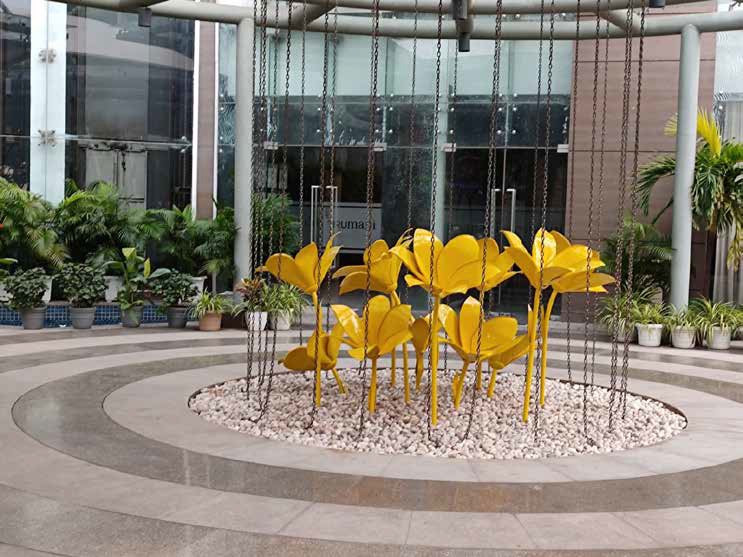
The Significance of Metal Sculpture in the Contemporary Era
In the contemporary art world, metal artifacts and sculptures hold a special place. They represent a fusion of traditional craftsmanship and modern artistic expression, bridging the gap between the past and the present. Such works of art are celebrated for their technical excellence, aesthetic beauty, and the depth of meaning they convey.
Metal artifacts and sculptures play a significant role in cultural preservation. By creating works that draw on traditional techniques and motifs, artists help keep them alive and relevant. This is particularly important in a world where many traditional art forms are at risk of being lost due to changing cultural and economic conditions.
The Bottom Line
Art has played a significant role in India’s cultural history and remains an active, dynamic form of artistic expression there today. Metalworking has been ingrained in Indian culture, from the earliest Indus Valley Civilization to contemporary artists. The best part of metal sculpture is its versatility. Since most metals are durable, you can display a metal sculpture both indoors and outdoors, making it suitable for a wide range of settings, whether public or private. At ConnectArt, all our pieces are described to add gravitas to your space. Each one comes with a story, and it’s ready to tell it in your home.
Preserving Your Outdoor Sculpture
Posted On : March 13th, 2026Installing an outdoor sculpture might look fancy, but you must also consider the work that goes into it. Have you ever thought about how outdoor sculptures can transform your space into a stunning artistic retreat? Whether placed in an outdoor garden, patio or courtyard, outdoor sculptures add personality, elegance and artistic depth to private spaces. From classic sculptures that evoke timeless beauty to modern sculptures that create a contemporary edge, these pieces transform ordinary outdoor areas into stunning visual statements. However, outdoor sculptures are constantly exposed to the elements, which can cause damage over time. Understanding the challenges of conversation and applying the proper care technique could significantly extend their lifespan.
Why Preserving Your Sculptures Matters?
Enhancing Aesthetic Appeal
People invest in outdoor sculptures to create visually striking landscapes. Whether you go for abstract sculptures with unique artistic expression or geometric sculptures that add modern symmetry, these pieces act as focal points in your garden or patio. Without proper care, exposure to harsh weather conditions can dull the appearance, leading to cracks, discolouration, and surface erosion. Proper maintenance ensures these sculptures remain aesthetically pleasing.
Protecting Your Investment
High-quality sculptures could be a significant financial investment. Pieces made from materials like stone, bronze, and metal can be costly, and without proper conversation, they might deteriorate beyond repair. By implementing routine care and protective treatments, you can escape costly restorations and safeguard your artistic investments for decades.
Common Challenges: Outdoor Sculpture
Environmental Condition and Weathering
Rain and Moisture: Outdoor sculptures are exposed to weather fluctuations that could accelerate deterioration. Rain or moisture is one of the biggest threats to classic sculpture made of stone or concrete. Rain could cause erosion, leading to fading and weakening of the surface.
UV Damage: Modern sculptures made from painted metals or polymers may fade due to prolonged exposure to sunlight. UV rays break down pigments and coatings, leading to discolouration.
Temperature Fluctuation: In places with extreme weather, temperature fluctuations cause materials to expand and contract. The impact can cause cracking, particularly in organic wood sculptures.
Things to Consider
Regular maintenance does not require a significant time investment but is highly beneficial for outdoor sculpture. It consists of simple measures such as regular cleaning, which, if done annually, can mitigate the challenge of outdoor display and help to detect damage in its early stages. Whether your sculptures are made of stone, metal or resin, they need care to look their best. Keep your sculptures clean by regularly cleaning the areas around them with a garden hose.
When considering a suitable location on the property, be aware that the surrounding trees may fall in the event of a natural disaster. Also, sculpture should be placed away from pools, as chlorinated water can erode its surface. Apart from nature’s challenges, you also need to consider security.
Conclusion
Outdoor sculptures live in constant dialogue with nature, such as sunlight, rain, wind, and time itself. Preserving them is therefore not only about maintenance, but about respect for the material, the craftsmanship, and the story the artwork carries.
With regular cleaning, mindful placement, and periodic professional care, an outdoor sculpture can retain its strength and visual integrity for decades. These small acts and smart actions protect the texture, finish, and form that the artist originally envisioned. If you want to know more about outdoor experience, too, ConnectArt has got you covered. Explore our collection and bring art to life outdoors.
Everything You Need To Know About Outdoor Sculptures
Posted On : March 10th, 2026Sculptures enhance the value of outdoor spaces, such as offices or gardens. Outdoors are simply an extension of their living space, a place to recreate and add personality. One of the most impactful ways to enhance these outdoor spaces is through adding sculpture. Apart from decoration, sculptures can transform a space, making a statement, and adding layers of sophistication. In this blog, we’ll explore the role of sculpture in outdoor design, the different types of materials and styles available, and how to thoughtfully incorporate these works of art to elevate your outdoor spaces.
How Does Sculpture Add Value?
Sculpture brings artistic value to outdoor spaces by complementing the natural beauty of plants and landscaping. By offering visual contrast and designated points of focus, sculptures encourage engagement, stimulate conversation, and transform ordinary areas into memorable places.
Creating a Focal Point: Visual anchors help in adding a sense of order and purpose. A well-placed sculpture serves as a central feature, offering a focal point among the organic elements. It could be specifically useful in a larger space, where distinct areas might benefit from their own focal pieces to add harmony and cohesion.
Adding Structure and Geometry: Sculptures are key for introducing structure, offering geometry and form that contrast with the natural environment. Whether it’s a sleek, modern piece or a more classical design, sculpture can introduce an architectural form to soften or heighten the tension between nature and art.
Personal Expression: Sculptures are remarkable for personal expression, enabling our clients to infuse outdoor spaces with individuality. A sculpture can reflect the owner’s taste, personality, and more. Art pieces add an extra layer of exclusivity and meaning to our outdoor spaces.
Creating Atmosphere: Sculpture can shape a space’s tone. A calming, contemplative piece might create an air of tranquility, perfect for a meditation garden or quiet corner. Conversely, bold, abstract sculptures can energise a space, encouraging dynamic interaction and conversation.
Year-round Interest: While plants are seasonal, sculptures offer visual interest year-round. In the depths of winter, when perennial plants are usually dormant, a sculpture remains an everlasting element of beauty, weathering the seasons and offering continuity between the changing landscapes of spring, summer, autumn, and winter.
Choosing the Right Sculpture for Outdoor Space
Choosing the right sculpture requires understanding both the garden’s style and the client’s taste. For discerning clients, the balance is important to ensure that the piece complements rather than clashes with its surroundings. There is a wide variety of styles to choose from:
Know Your Space First
Every sculpture starts with the space it inhabits. You have to observe the scale, flow, and natural backdrop before deciding on your piece. A large sculpture makes a statement in wide lawns or central courtyards, while compact designs enhance terraces or verandas.
Pair Material to Weather
Durability starts with the right material choice. Stainless steel and bronze sculptures add modern brilliance and weather resistance to any setting. Stone and marble evoke heritage and artistry but require mindful upkeep in hot climates. As a versatile option, resin and fiberglass work beautifully in contemporary landscapes.
Scale and Proportion
The charm of a sculpture comes from its surroundings. A tiny piece may get lost in a wide landscape. An oversized one might overpower. Use architectural lines to guide your choice. Medium- to large-sized pieces often deliver the right impact.
Design and Detail
The best art feels effortless and shows a sense of belonging. Minimalist homes shine with abstract outdoor pieces that play with shape and shadow. Heritage-inspired villas come alive with nature-rooted or figurative sculptures. Pick a piece that fits your space and personality.
Installation and Base Matters
The beauty of sculpture is complete only when it stands on the right base. Go for professionals for installation, especially with metal or oversized artworks, to preserve their form and integrity.
The Bottom Line
Adding a work of art to your outdoor space can quickly transform your landscape. Sculptures, in particular, are excellent additions to any garden. Anyone can enjoy looking at them wherever they are and from any perspective. If you want a unique outdoor experience, too, ConnectArt has mesmerising sculptures you can display in your garden. Explore our collection and bring art to life outdoors.
All About ID Design 2026
Posted On : February 26th, 2026If 2025 was a year filled with recalibration, 2026 is a year of refining art and embracing new moods. Buyers are still collecting, galleries are still selling, and fairs are thriving, but the motivation in the design world is taking a shift. Across studios, exhibitions, and global art hubs, a clear direction is emerging. Art in the year 2026 is moving towards deeper connection, greater physical presence, and a growing appreciation for human craft in a world that is saturated with digital imagery.
Indian Design ID 2026 was here with its 14th Edition themed ‘The Age of Syncretism’ with 150+ prominent Indian and International artists showcasing craft under one roof. Here, discourse and creativity bloomed through discussions on the design of the future. Apart from this, the French Art de Vivre pavilion returns as one of the fair’s central eye-catching attractions by focusing on craftsmanship and creativity while showcasing evolving design with a touch of tradition. The focus was mainly on sustainability, reflecting a mindset where Earth is seen as a space above our personal space.
The brands include Asian Paints, KOHLER, Jaipur Rugs, and Sonos. Segments like Experience & Editions, Design, The New Guard, and ID Collectible map everything from new global launches and craft reinterpretations to emerging studios and large-scale immersive works. Beyond just being a trade fair, it operates as a cultural checkpoint where the industry collectively negotiates aesthetics, sustainability, craft, and collectibility. The outcome is less about individual objects and more about evolving ideas of the contemporary Indian home.
A walkthrough of exhibition halls was filled with a visual pattern that quickly settled in curved silhouettes, brushed metals, textured stone, sculptural lighting, and muted palettes. Ornamentation has receded; tactility took centre stage. The fair was framed as a meeting point for tradition and technology. The overall theme of syncretism was subtle. The craft appeared not just as nostalgia, but as a strategy integrated within minimalist forms, reengineered for contemporary markets.
By positioning Art de Vivre à la francaise as the prime attraction, France and India reaffirmed how traditional taste and contemporary innovation mutually reinforce each other. This edition reflects the capacity of French and Indian artisans, designers, and creative industries to change ancestral techniques into modern solutions and cross-cultural collaboration that shapes the innovation of tomorrow. Top 16 French Houses showcased their mastery, encompassing tableware, home accessories, and gastronomy. The event underscored a vibrant dialogue between French and Indian creativity, converging to shape the aesthetics and materials of tomorrow.
India Design 2026 is not just about objects on display. It is about direction-setting. About how rapidly urbanising, increasingly design-literate India imagines comfort, status, responsibility, and beauty, all at once. The modern Indian homes are not ordinary anymore, but are striving for confidence and are globally conversant. The challenge lies in ensuring it is also distinct and accountable.
This is the time when the design world celebrates human touch and timeless craft. ConnectArt brings concepts to life through sculptural innovation and design-led execution. Whether for spaces, installations, or artworks, transform vision into enduring physical presence. Connect with us to shape your next artistic environment.
The Parallels Between Sculpture Art and Architecture
Posted On : February 24th, 2026What do philosophy, sculpture and architecture have in common? What’s identical? Do you think architects have anything to learn from philosophers and artists? Art therapy includes elements such as remembering, hope, sorrow, rebalancing, self-understanding, growth, and appreciation. But there is something extra similar between sculpture and architecture, ie, both operate in space and light.
Architecture and art are a symbiotic dialogue that bridges emotions with utility and imagination with structure. To understand the relation, it is important to explore the distinct character of each discipline before evaluating how they converge. Modern buildings often look simple and clean. A sculpture is the cherry on a cake. A large stainless steel sculpture in front of a tower can offer a strong first impression. Bronze or marble sculptures could offer an essence of history, luxury and culture.
When it comes to real estate projects, hospitality or shopping, sculptures are more than any art reflecting the identity of the space. A custom abstract sculpture could tell people the project is modern and creative. A sculpture makes spaces alive, attracting visitors and creating a meeting point. For private villas, a sculpture can turn an entrance into a personal landmark. Sculpture gives memories to remember.
A Thin Line: Architecture and Sculpture
Architecture has blurred the line between art and architecture. Perhaps it’s not an art form like sculpture, but it should also function as an occupiable space and inspire and make an emotional impact. Sculpture and architecture share blurred lines in relatedness and the elements of visual design. Both ‘form’ and ‘space’ are undeniable features that these aspects of creative art have in common. The abstractions of architecture are visible and tangible, and have been traced to sculptural abstractions in design schemes and in sculptors in salient respects. Sculptors create with an abstraction technique and thus distil the aesthetics of the world without leaving a visual reference to the natural world.
Architects often hear the word ‘sculptural’ used in relation to buildings, and there is a good reason for it. When the starchitect phenomenon took off, it was the stylistic form of building that offered a signature for starchitect as much as the name itself. Starchitects trade on their name to create a brand for themselves that not just signifies their work or the work of their practice but also offers a signature style. To appreciate the art of integrating sculpture with architectural style, it is important to understand what sculpture and architecture are and why their integration is significant. When structures are strategically incorporated into architectural spaces, they can enhance the overall visual appeal, creating a harmonious relationship between the built environment and artistic elements.
Sculptures in architecture not only add aesthetic value but also serve as cultural and historical markers, reflecting a society’s values and beliefs. It creates a sense of identity and place, inviting viewers to associate with their surroundings on a deeper level. Incorporating sculpture is about the admiration of art in itself and requires careful consideration of various factors.
Bottom Line
In conclusion, the integration of sculptures with architectural style is an art form practised over the years. Sculptures add depth, beauty, and meaning to our built environment. Whether it’s a classical temple adorned with intricate sculptures or a modern skyscraper reflecting abstract installations, the careful selection and placement of sculpture enhance a structure’s overall aesthetic and message. Throughout history, architects and sculptors have collaborated to create monumental works that stand the test of time. From ancient civilisations to the present day, sculpture has played a crucial role in defining the character of architectural styles. They have served as symbols of power, expressions of devotion, and reflections of cultural values.
In the end, the art of sculptural integration with architectural style is a basis for human creativity and our desire to create meaningful connections between the built environment and the art that inhabits it. It enriches our cities, public spaces, and cultural landmarks, leaving an impact on those who experience it. If you need help choosing the right sculpture, the best option is to drop a query to ConnectArt. Stay tuned for more updates.
A Complete Guide to Resin Sculptures: Craft, Finish, and Presentation
Posted On : February 23rd, 2026Resin Sculpture, the new design favourite. These days, you can spot them in minimalist areas like apartments, boutique hotels, and art-forward homes because they’re light, modern, and versatile. One piece might look like polished glass, another like aged bronze, a third like pale carved stone, yet all can be made from similar core material: resin.
If you’re enthusiastic about collecting, styling, or even making pieces like these, we have covered it for you. It breaks down what resin sculptures are, which resin works best, the beginner’s steps, and the final finishing that makes the results look truly gallery-grade.
The Basics of Resin Sculpture
Resin sculptures are mere decor, yet they emerge as powerful statements of elegance. Imagine a space enriched with captivating pieces, each reflecting a story. From the enchanting allure of abstract form to the intricate details, resin sculptures have a transformative quality that can enhance the entire space. The three-dimensional pieces made of resin are a material that starts as a liquid and cures into a hard solid. To be precise, resin can be shaped, coloured, and finished to create decorative objects and artwork ranging from small shelf accents to large statement pieces.
The rise of resin sculpture is not a random trend; it aligns with how individuals decorate their spaces now, how artists share their work, and what buyers expect from contemporary design.
- Premium Appeal
Resin can mimic the look of stone, ceramic, or metal while remaining lighter and easier to move. That matters in real homes. People look for bold pieces for a console table or a shelf, but they don’t necessarily want something heavy enough to damage furniture or awkward enough to reposition.
- Applicable for Modern Interiors and Styling Habits
Modern interiors often depend on shape, texture, and negative space rather than cluttering. Resin is perfect because it can be finished in matte neutrals, glossy blacks, translucent tones, or textured surfaces that mimic plaster or stone. Such flexibility makes it easy to find a piece that fits minimalist, Scandinavian, industrial, or eclectic spaces.
- Artists can experiment with Color and Effects.
Resin enables effects of marbling, smoky swirls, layered translucency, and terrazzo-style chips. Metallic powders and pigments could create finishes that look almost similar to polished minerals. These details photograph beautifully, which helps explain why resin pieces get more attention these days.
- Social Media Algorithm
Anything that draws light, shows depth, or looks appealing tends to do well on media like Instagram and Pinterest. Resin delivers all of that. The same glossy highlight that looks great in a photo also helps stand out in a room, especially with good lighting.
- Culture Shift
Buyers are building small, personal collections rather than investing only in traditional “fine art”. They want pieces that feel expressive and modern, and resin sits in that spot between accessible decor and collectable design.
Whether you’re an art enthusiast or a passionate collector, the world of resin sculptures will amaze you. Whether you’re enhancing your interior or adding an exceptional piece, purchasing a resin sculpture is a decision that will leave an unforgettable artistic imprint on your living space. Resin artists have pushed the creative boundaries by using the versatile material for creating breathtaking artworks. These sculptures offer a perfect combination of durability, lightness, and artistic freedom, enabling artists to bring their boldest visions to life.
Resin: A Profound Medium in Contemporary Art
Resin art is flexible in several ways and significantly lighter than marble or bronze. It offers endless possibilities for creation and has a good impact and weather resistance. This specific form of art enables achieving a level of realism rarely achieved. Reality is reflected with a mirror-like effect, offering an astonishing and unsettling appearance. However, resin is not solely used for the faithful portrayal of nature. This new form revolutionised sculptors’ approach and work.
The Bottom Line
Resin sculptures are not just art pieces; they are storytellers. Each piece has its own narrative, waiting to merge with the story of your space. Explore the outstanding collection that resonates with your personal style, be it minimal or a more elaborate creation that becomes the focal point of the room.
Overall, sculpting with resin is an art form that adds personality and elegance to your living room. This blog serves as a guide, offering the right reasons to choose resin sculpture and embark on a journey where every resin masterpiece becomes a cherished element in the story of your home. Explore, create, and the elegance unfolds with ConnectArt. Let’s uncover the secrets to achieving balance and harmony, ensuring each sculpture contributes to your space’s overall aesthetic.
Your Guide To Buying Buddhist Sculptures
Posted On : August 3rd, 2017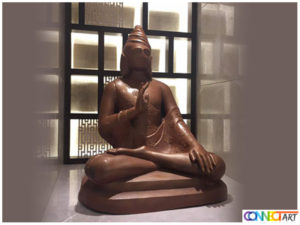
Garden Sculpture Art In Kolkata is becoming very popular these days. Of the various kinds that are in vogue Buddhist sculptures score very high. One needn’t be a Buddhist to appreciate the aura of Buddhist art. Some basic guidelines that can help you in purchasing Buddhist sculptures have been discussed.
Garden Sculpture Art In Kolkata is becoming increasingly popular nowadays. The profound impact it has on people’s minds is being recognised by the people who are seeking out such sculptures. One of the most remarkable kind of sculptures are the ones inspired by Buddhist religion. It goes without saying that Buddhist art is so captivating and engaging that you need not be a Buddhist in order to appreciate it. The ideology in itself happens to be quite accommodating and infuses an aura of peace and tranquillity. So it should not be seen as a surprising turn of events if it is your decision to install Buddhist art in your residential complex. But before you jump in and decide to begin your collection of Buddhist sculptures, you ought to get familiar with the form itself. If you are investing good money for something it is preferable that you are thorough in your approach. Continue reading “Your Guide To Buying Buddhist Sculptures”